

Can You Become a Tattoo Artist Without an Apprenticeship?
Can you become a Tattoo Artist without an apprenticeship? Sometimes, depending on where you live. A few states require apprenticeship or training hours by law, while others mainly require safety training and registration. But even where it’s legal, skipping a tattoo apprenticeship makes it much harder to build real skill, earn clients’ trust and get hired by a tattoo studio.
This guide gives you an honest comparison of the three main routes: teaching yourself, taking a course and completing a tattoo apprenticeship. We’ll also cover which states require training hours. At Ink Different Tattoos, we’ve spent 15 years training Tattoo Artists, and we’ll lay out the pros and cons of each path plainly.
Key Takeaways
What Is a Tattoo Apprenticeship and Why Does It Matter?
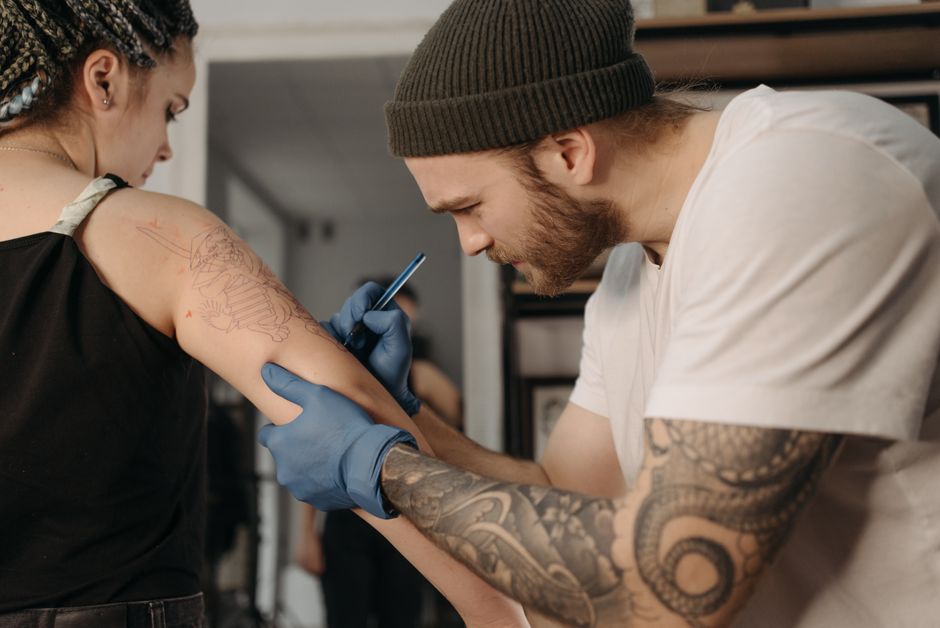
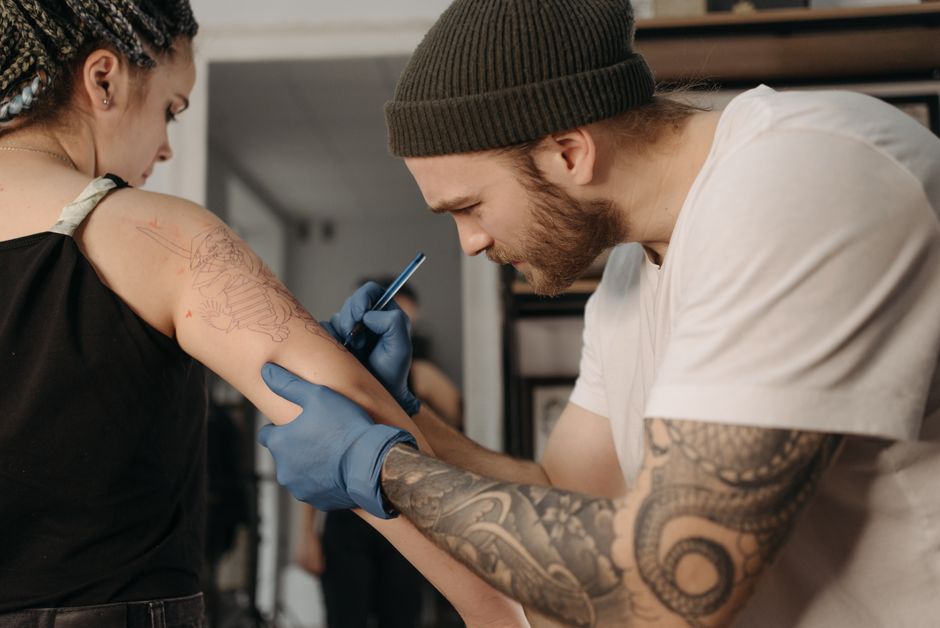
A tattoo apprenticeship is structured, hands-on training where you learn drawing, machine handling, hygiene and client work under an experienced Mentor inside a working tattoo studio. It’s the traditional foundation most respected Tattoo Artists stand on.
Tattoo apprenticeships matter because tattooing is permanent. You’re not drawing on paper you can throw away. You’re working on human skin, so safety, precision and professionalism matter from day one.
Can You Become a Tattoo Artist Without an Apprenticeship?
In some states, yes. But it’s harder, riskier and, in states that require supervised training hours, not legally possible. Here’s an honest look at the three main routes.
Route 1: Teaching yourself
- Pros: Low upfront cost and full control over your schedule.
- Cons: No one catches your mistakes, it’s hard to learn safety properly alone, and tattoo studios are often wary of self-taught portfolios. In states that license Tattoo Artists or require supervised hours, it may not lead to a legal license at all.
- Honest verdict: A few self-taught Tattoo Artists do succeed. It’s the slowest and riskiest route, and in some states it simply isn’t an option.
Route 2: Taking a tattoo course
- Pros: Structured basics, and some courses cover required safety training.
- Cons: Most short courses can’t give you supervised work on real clients. A bloodborne pathogens course, often required for licensing, teaches safety, not tattooing.
- Honest verdict: Good as a supplement or a first taste. In most places, it isn’t enough on its own. Oregon is an exception, where licensing runs through an approved tattoo school with practical hours.
3: Completing a tattoo apprenticeship
- Pros: Supervised practice on real clients, real-time correction, safety habits built in and a portfolio tattoo studios trust.
- Cons: It takes time, usually one to three years, and real commitment.
- Honest verdict: The most reliable path to working professionally, and the legal route in states that require supervised hours.
Reality Check: Tattooing without proper safety training can expose you and your clients to bloodborne infections. This isn’t a corner worth cutting.
What Happens When You Try the Self-Taught Route?
Self-taught Tattoo Artists often develop poor technique and risky hygiene habits, and many end up with portfolios tattoo studios won’t hire from. Learning alone means no one catches your mistakes before they become permanent.
When you teach yourself, bad habits go uncorrected. You might hold the machine wrong, misjudge needle depth or miss cross-contamination risks you don’t even know exist. By the time you notice, those habits are hard to undo.
There’s also a trust gap. Tattoo studios and clients can usually tell the difference between someone who learned from a Mentor and someone who guessed their way through. Going fully self-taught is one of the biggest mistakes aspiring tattoo apprentices should avoid.
You also miss the community. A good tattoo apprenticeship surrounds you with people who push you, celebrate your progress and help you when a session goes sideways.
Do You Legally Need an Apprenticeship to Tattoo?
It depends on your state. Some states require supervised apprenticeship or training hours to get licensed. Others focus on bloodborne pathogens training, registration or licensing the tattoo studio itself.
States that require supervised training hours:
- Oklahoma: Applicants must show either two years of licensed experience in another state or completion of an approved apprenticeship, according to the Oklahoma State Department of Health. The 1,500 apprenticeship hours must be completed in no less than one year and no more than two. State law also bars anyone from tattooing unless they’re licensed by the Department, per Oklahoma Statutes.
- Arkansas: State law has required at least 375 clock hours of supervised body art work and classroom training, according to the Arkansas Code.
- Oregon: Licensing runs through an approved course of at least 360 hours, including 150 hours of practical tattooing, under Oregon Administrative Rules.
States focused on safety training and registration:
- California: Practitioners complete bloodborne pathogens training and register with their local enforcement agency. See our guide to tattoo license requirements in California.
- Florida: Applicants must complete a Department-approved Bloodborne Pathogen and Communicable Diseases course, according to the Florida Department of Health.
- Texas: The state licenses tattoo studios, and some cities add their own rules for individual Tattoo Artists. Learn how to get your tattoo license in Texas.
- Colorado: See how long it takes to get a tattoo license in Colorado.
Safety sits at the center of every state’s rules. The OSHA Bloodborne Pathogens Standard exists because tattooing involves blood and broken skin. Good aftercare guidance, like the American Academy of Dermatology’s tips for caring for tattooed skin, depends on Tattoo Artists knowing it well enough to teach clients.
Bottom line: Where it’s not legally required, a tattoo apprenticeship is still the most common way to build skills tattoo studios trust. Where it is required, it’s the only way in. Always check your state and local health department for the current rules.
How Do You Become a Tattoo Artist the Right Way?
Build your art, find a Mentor, master safety, practice under supervision and meet your state’s licensing requirements.
- Step 1: Strengthen your drawing foundation. You don’t need to be a prodigy. You need consistent practice in linework, shading and composition.
- Step 2: Find a structured tattoo apprenticeship. Instead of cold-calling tattoo studios and hoping, join a structured tattoo apprenticeship built to train beginners.
- Step 3: Learn safety and sterilization. Complete bloodborne pathogens training and master hygiene before any client sits in your chair.
- Step 4: Practice under supervision. Move from synthetic skin to supervised client work, with feedback that corrects mistakes in real time.
- Step 5: Build your portfolio and brand. Document your best work and share it. Explore these platforms to help new and aspiring Tattoo Artists build their brand.
- Step 6: Get licensed and go professional. Meet your state’s requirements and step into a working career with confidence.
If you’re coming from another field, read why a tattoo apprenticeship is perfect for career changers starting over.

Get Serious About Your Tattoo Career With Ink Different
Ink Different Tattoos is a college alternative that trains aspiring Tattoo Artists through in-person mentorship, giving you a real path to a professional career.
For 15 years, we’ve trained beginners with no formal art background and turned their potential into real skill. We’re a family of working professionals committed to our “Good Humans” culture, where you’re supported every step of the way.
Tattooing is also one of the most AI-resistant careers out there. As we explain in our post on why Tattoo Artists are still essential, no machine can replace the connection between a Tattoo Artist and the person trusting them with permanent art. The pay can be strong too. According to ZipRecruiter, the average Tattoo Artist in the United States earns $106,858 a year as of November 2026.
What Can You Expect From Our Traditional Tattoo Apprenticeship?
Our Traditional Tattoo Apprenticeship runs 18 to 24 months across four phases. You train in person with a Mentor at one of 60+ tattoo studios nationwide, with personalized, hands-on training and licensing support.
- Four-phase structure: A clear path from fundamentals to confident client work.
- Beginner-friendly: No formal art experience is required. We meet you where you are.
- Licensing support: We help you meet your state’s specific requirements.
- A guaranteed job offer: Graduates receive a guaranteed job offer at one of Ink Different’s own tattoo studios.
- Interest-free payment plans: Flexible payments make training more accessible.
You won’t just hope you’re good enough. You’ll know, because you learned from people who’ve already walked the road.
Mentorship That Pushes Your Brand and Skills Further
Our Master Mentorship is one year of in-person training alongside celebrity and award-winning Master Mentors. It’s built to help you master a specific style, grow your brand and build toward owning your own tattoo studio.
You’ll train with Master Mentors like Al Fliction, Liz Cook, Kyle Dunbar, Boneface, Jordi Pla and Marcel Oliveira. It’s intensive, focused training for beginners and experienced Tattoo Artists alike.
If you want to master the fundamentals first, start with these tools every beginner Tattoo Artist should know.
Making Tattoo Training Accessible for Everyone
Ink Different offers Spanish-speaking locations in Denver, Orange County, New York City, Miami, San Antonio and San Diego, so language is never a barrier to your tattoo career.
Great Tattoo Artists come from every community. Tattoo apprenticeships are also gaining ground as a solid alternative to college, opening the door to people who don’t want years of student debt.

Ready to Become a Tattoo Artist?
You could spend years teaching yourself and hoping it works out. Or you could train with Mentors and a community that wants you to succeed. Each Mentor takes just two tattoo apprentices per tattoo studio, so seats fill up quickly.
Ready to become a Tattoo Artist? Apply now to Ink Different’s Traditional Tattoo Apprenticeship and start building an AI-proof career, with licensing support along the way.
Frequently Asked Questions
Can you become a Tattoo Artist without an apprenticeship?
In some states, yes, but it’s harder and riskier. States like Oklahoma and Arkansas require supervised training hours, and most tattoo studios prefer Tattoo Artists who trained under a Mentor.
Which states require a tattoo apprenticeship?
Rules change, but Oklahoma requires an approved 1,500-hour apprenticeship or out-of-state experience. Arkansas has required 375 supervised hours, and Oregon requires an approved 360-hour course. Always check your state’s health department.
Is a tattoo course enough to get licensed?
Usually not on its own. Many states require a bloodborne pathogens course, but it covers safety, not tattooing. Oregon is an exception, with licensing through an approved tattoo school.
Is it legal to tattoo without a license?
It depends on where you are. Many states and cities require a license or registration, and some, like Oklahoma, prohibit tattooing without a state license. Tattooing without required approval can lead to fines or other penalties.
Do I need art experience to start a tattoo apprenticeship?
No. Ink Different’s Traditional Tattoo Apprenticeship is built for beginners with no formal art background.
What makes Ink Different different from learning on my own?
Ink Different provides in-person mentorship, award-winning Master Mentors, licensing support, interest-free payment plans, a guaranteed job offer at one of its own tattoo studios and a supportive “Good Humans” community.
