

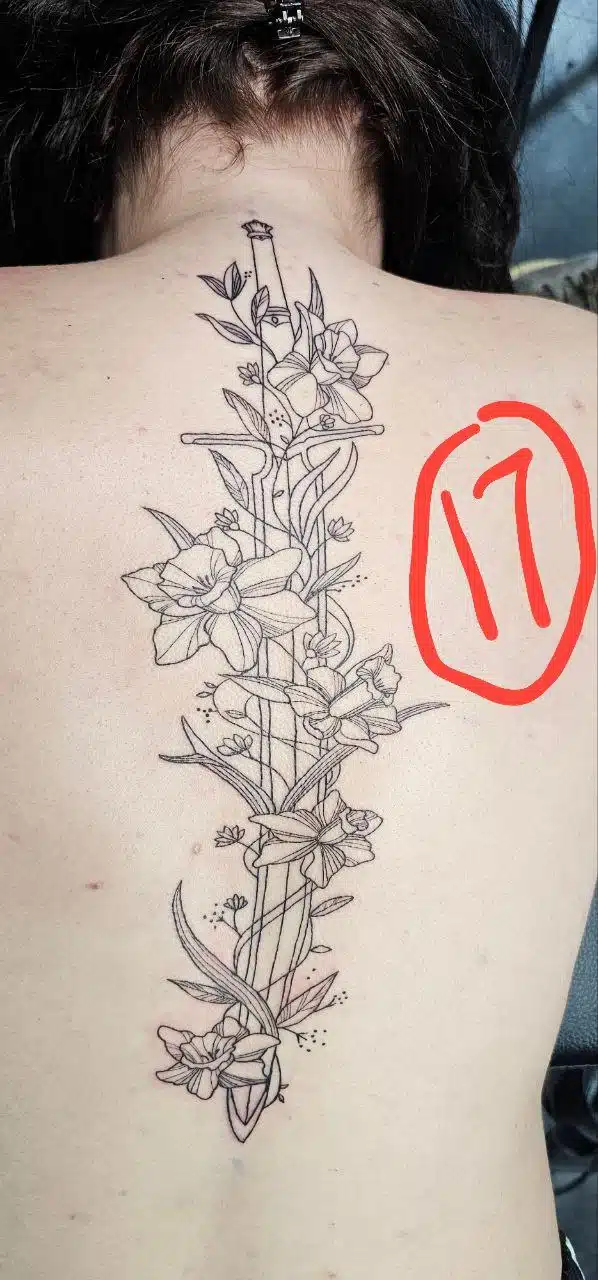
Tattooing as Self-Expression
Tattoos have travelled a long way from their ancient origins. Today they are one of the most personal art forms we have: a way to carry our beliefs, stories, and identities on our own skin. This guide looks at why tattooing as self-expression is so powerful, and how career-changers turn that passion into a real, hands-on profession.
Learn more about the profession or read how to change careers and become a Tattoo Artist.
At a glance: tattooing as self-expression
What makes tattoos so historically significant?
Tattoos carry a rich significance that spans centuries and diverse cultures. In ancient civilizations like the Egyptians, Polynesians, and the Maori people of New Zealand, tattoos held deep cultural meanings, representing heritage, social status, and meaningful life transitions. These intricate designs were powerful symbols that carried real weight within their communities.
Over time, tattooing has evolved into a widely accepted and celebrated art form. It has become a medium for self-expression, letting people display their identities, beliefs, passions, and personal stories on their skin. The artistry and skill of Tattoo Artists have elevated the practice, turning bodies into living canvases adorned with unique and meaningful work. Whether it is a small discreet piece or a full-body masterpiece, a tattoo lets someone assert their individuality and make a lasting statement about who they are.
Want to learn about how to become a Tattoo Artist? You can also find a tattoo apprenticeship near you.
How do tattoos express personal identity?
One of the most potent aspects of tattooing as self-expression is its ability to defy societal norms and challenge preconceived notions. Tattoos were once associated with rebellion or judged as inappropriate. That has shifted: body art is now widely celebrated as an expression of personal identity and artistic freedom. People from all walks of life proudly display their stories, beliefs, and passions.
For many people, tattoos hold deep personal significance and go far beyond decoration. They serve as intimate reflections of who someone is and what they value. Each piece becomes a tangible representation of an inner self, showcasing interests, experiences, and aspirations. Whether it is a small symbol or an entire sleeve of intricate artwork, a tattoo becomes an extension of the person wearing it.
Through the artistry and creativity of tattooing, people can visually narrate their journeys. Each stroke of the needle becomes a brushstroke on the living canvas of the skin. By curating a collection of visuals, individuals express their experiences, passions, and values in a way that is uniquely their own. Choosing and getting a tattoo is an act of self-discovery, a way to reclaim ownership of one’s body and leave a lasting mark that embodies a true sense of self.
How does body art build community?
Body art has a remarkable power to establish connections and cultivate communities. Tattoos spark conversations and help like-minded people forge deeper bonds. At conventions or within online communities, people united by their passion for body art gather to celebrate self-expression and support one another through their tattoo journeys. These spaces nurture a sense of belonging, and they let people share their stories, experiences, and appreciation for the craft.
The process of getting a tattoo can itself be transformative. It requires trust, vulnerability, and collaboration between the Tattoo Artist and the person in the chair. Choosing a design, finding the right artist, and sitting through the work can all be empowering. The experience can be cathartic, symbolic, or a form of self-care, a deliberate step toward embracing an authentic self.
Tip: The relationship between a Tattoo Artist and their client is built on trust. That same trust, learned under a Mentor, is exactly what a good apprenticeship teaches you to earn.
In a world that often tries to define and confine us, tattoos serve as a visual reminder of our autonomy and individuality. They empower us to shape our own bodies and express ourselves meaningfully, whether as a reminder of personal strength, a tribute to loved ones, or a record of life experiences. So the next time you meet someone adorned with body art, take a moment to appreciate the stories etched on their skin.
Looking for guidance for families? Read about parents who want to help their children become Tattoo Artists.
How do you turn a passion for tattooing into a career?
Loving body art is the starting point. Turning it into a profession takes structured training in a licensed studio, working under an experienced Mentor. Here is the path in plain terms:
Meet the basics
you need to be 18 or older, complete a Bloodborne Pathogens course, and be up to date on your Hepatitis B vaccination.
Learn the craft
build your drawing, design, and machine fundamentals, starting remote before you move to hands-on work.
Apprentice under a Mentor
progress through the four phases of a real apprenticeship, practising on synthetic skin before ever touching a client.
Get licensing support
work toward the permits and health requirements your local Enforcement Agency requires so you can tattoo legally.
Become job-ready
graduate with a portfolio and the professional habits that make you employable in a studio.
Every Tattoo Apprentice needs the right tools as they grow. A well-stocked kit usually includes:
- Tattoo machine: the core instrument you will train on and eventually master under your Mentor
- Stencil paper: for transferring your design to skin cleanly and accurately
- Synthetic practice skin: so you can build muscle memory long before working on a person
- Ink caps and quality inks: single-use caps and reliable pigment keep your work safe and consistent
- Sterile gloves and barriers: the foundation of the bloodborne-pathogen safety you will be tested on
Learn to tattoo with Ink Different
Tattooing is an AI-proof, hands-on creative career: a craft that lives in your hands and your eye, not in a piece of software. A proper apprenticeship inside a licensed studio is how you build it, learning the art, the safety, and the business the way it has always been passed down, from Mentor to Tattoo Apprentice. Think of it as the Juilliard of tattoo education, a serious alternative to a traditional college path, where a Professional Tattoo Artist can earn over $106,000 per year, per ZipRecruiter.
The Traditional Apprenticeship
The Traditional Tattoo Apprenticeship runs 18 to 24 months across four phases and starts remote, so you can begin from wherever you are. It welcomes beginners, and it is built for career-changers who want real skills and licensing support rather than empty promises. Ink Different now has 50+ locations across the United States, and seats are limited.
When you are ready, connect with a Mentor near one of our 50+ locations and take the first step toward turning your passion for self-expression into a lifelong profession.
