

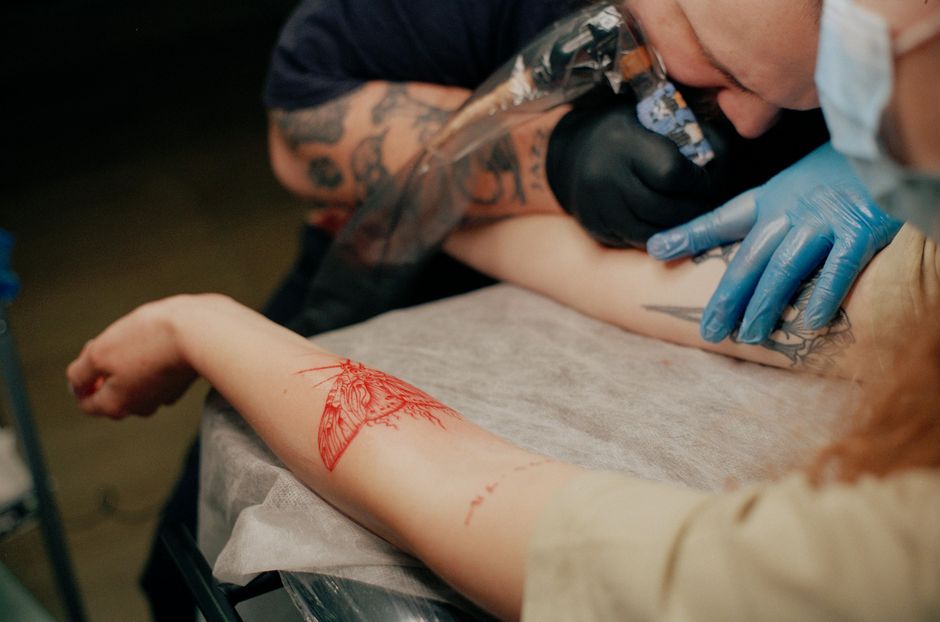
Free Tattoo Apprenticeships: Do They Exist and What’s the Catch?
Free tattoo apprenticeships do exist, but “free” rarely means what it sounds like. In most cases, it means you don’t pay tuition. Instead, you pay with unpaid labor, often months or even years of tattoo studio duty like cleaning, setup, errands and front-desk work, before you’re trusted to tattoo anyone.
That trade can work out. It can also cost you more than you expect, in time, lost income and inconsistent training. This guide explains what a free tattoo apprenticeship usually involves, what it really costs, how to vet an offer near you and how to tell a good opportunity from free labor.
Key Takeaways
What is a free tattoo apprenticeship?
A free tattoo apprenticeship is training offered without tuition. You learn from a working Tattoo Artist in exchange for your time, labor and commitment to the tattoo studio.
In practice, the early months usually look like this:
- Tattoo studio upkeep: Sweeping, cleaning stations and keeping the space spotless.
- Setup and breakdown: Preparing supplies and helping with sterilization routines.
- Front desk and errands: Answering phones, booking clients and running supply runs.
- Drawing practice: Building a portfolio on your own time.
- Observation: Watching your Mentor work before you’re allowed to try.
This model has a long history in tattooing, and for some people it works. The key question is whether you’re actually being taught, or mostly providing free help.
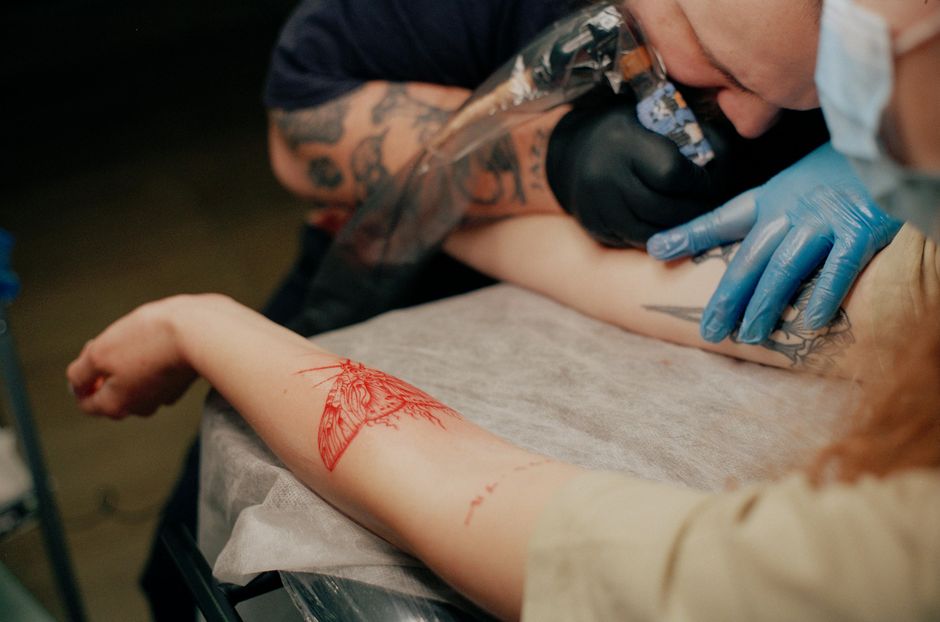
Do free tattoo apprenticeships actually exist?
Yes, but they’re uncommon and inconsistent. And once you count unpaid hours and missed income, they’re rarely free.
Some tattoo studios still take on a tattoo apprentice without charging tuition. These spots are competitive and depend entirely on one Mentor’s time and willingness. There’s often no set curriculum and no clear endpoint.
Some states add formal rules. In Oklahoma, for example, apprentice hours only count when you work for your approved sponsoring Tattoo Artist at the establishment listed on your application, and hours earned before Department approval don’t count. That’s according to the Oklahoma State Department of Health. An informal “free” arrangement that skips those steps may not count toward your license at all.
Reality check: Before you agree to anything, ask how long you’ll be doing tattoo studio duty before you start tattooing, and what you’ll be taught along the way.
What’s the catch with “free” apprenticeships?
You pay with unpaid labor, lost income and time, sometimes without structured teaching or licensing support.
Here’s what you may be trading:
- Unpaid labor: Months, or longer, of tattoo studio chores before you touch skin.
- No structure: No defined stages, no measurable progress and no clear finish line.
- Inconsistent mentorship: You learn when your Mentor has spare time between paying clients.
- No licensing support: You may be left to figure out your state’s requirements alone.
- Lost income: Time spent working for free is time you’re not earning elsewhere.
Do the math: Say you put in 30 unpaid hours a week for one year. That’s 1,560 hours. At the federal minimum wage of $7.25 an hour, set by the U.S. Department of Labor, that’s more than $11,000 of labor. For comparison, ZipRecruiter reports that paid tattoo shop assistant roles average about $16.70 an hour. ziprecruiter
There’s a legal angle, too. The U.S. Department of Labor’s Fact Sheet #71 explains how courts decide whether unpaid interns at for-profit businesses must be paid. The analysis turns on which party is the “primary beneficiary” of the relationship. In general terms, unpaid training should mainly benefit the trainee, not just supply free labor. This isn’t legal advice, so check your state’s rules if you’re unsure. dol
How do you spot a bad free apprenticeship offer?
Watch for vague timelines, no teaching structure, endless chores and no mention of safety training or licensing.
Ask direct questions before committing. Red flags include:
- No curriculum: “You’ll learn as you go” isn’t a plan.
- No safety training: Legitimate training covers the OSHA Bloodborne Pathogens Standard and cross-contamination.
- Endless errands: If month six still has you only cleaning, something’s off.
- No endpoint: A real tattoo apprenticeship tells you when and how you’ll be ready to work.
- Nothing in writing: Ask for the terms, including hours, duties and expectations, in writing.
- No state approval: If your state requires sponsor approval or registered hours, confirm it’s done before you start.
For more traps to avoid, read our guide to the mistakes aspiring tattoo apprentices should avoid.
Why is investing in real training worth it?
Structured training gives you clear progress, safety and licensing support and consistent mentorship. That can get you working sooner than an unstructured route.
Compare that to other trades. Registered apprenticeships in fields like electrical work pay wages during training. According to Apprenticeship.gov, 93% of registered apprentices keep their jobs after finishing, with an average starting salary of $86,000. Tattoo apprenticeships usually don’t follow that model, so the quality of what you’re taught matters even more.
The payoff for skilled Tattoo Artists can be strong. According to ZipRecruiter, the average Tattoo Artist in the United States earns $106,858 a year as of November 2026. It’s also a career that’s hard to automate, which we cover in why Tattoo Artists are still essential.
It’s also why tattoo apprenticeships are gaining ground as a solid alternative to college.
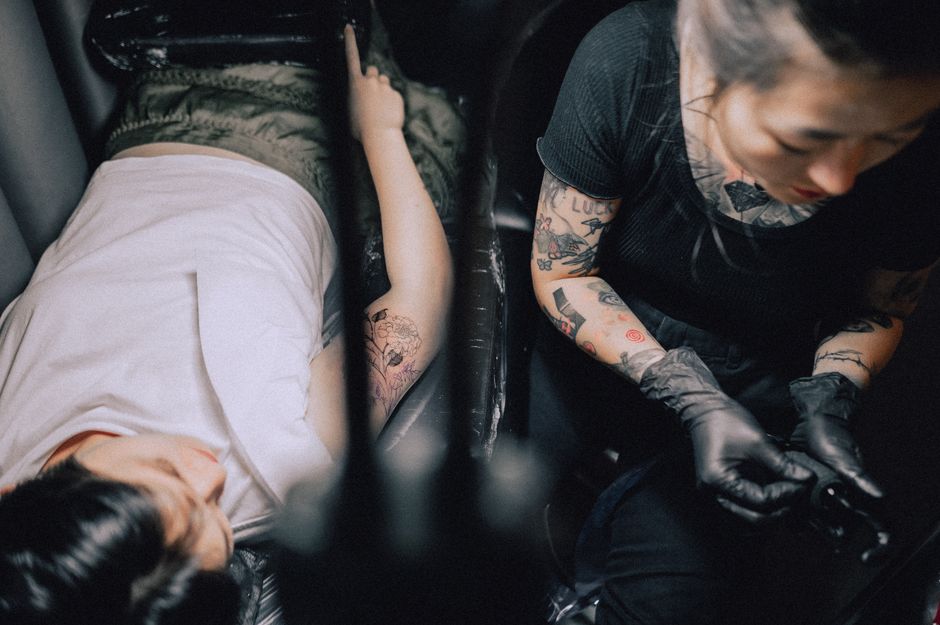
How do you start the right way, step by step?
Research your state’s rules, vet any offer carefully, choose structure over a “free” label and build your foundation.
- Step 1: Check your state’s rules. Find out whether your state requires sponsor approval, minimum hours or apprentice registration. See how to get your tattoo license in Texas, tattoo license requirements in California and how long it takes to get a tattoo license in Colorado.
- Step 2: Search locally. Visit reputable tattoo studios near you, check your state or local health department for licensed establishments and attend local tattoo conventions.
- Step 3: Vet the offer. Ask about the teaching plan, safety training, hours, duties and licensing support. Get the terms in writing.
- Step 4: Choose structure over “free.” Pick training that measures your progress and commits a Mentor to teaching you.
- Step 5: Build your foundation. Practice drawing and linework, and learn the tools every beginner Tattoo Artist should know.
- Step 6: Build your brand early. Share your progress with these platforms to help new and aspiring Tattoo Artists build their brand.
What does Ink Different’s Traditional Tattoo Apprenticeship offer?
Ink Different’s Traditional Tattoo Apprenticeship runs 18 to 24 months across four phases. It teaches beginners the craft with in-person mentorship and licensing support.
For 15 years, we’ve trained professional Tattoo Artists. Here’s what you can expect:
- Built for beginners: No prior art experience is required.
- In-person training: Learn with a Mentor at one of 60+ tattoo studios nationwide.
- Four-phase structure: Clear, measurable progress from fundamentals to client work.
- Dedicated mentorship: Real teaching from working Tattoo Artists, not spare-time scraps.
- Licensing support and a guaranteed job offer: You finish job-ready, with a guaranteed job offer at one of Ink Different’s own tattoo studios.
- Interest-free payment plans: Flexible payments make training more accessible.
- “Good Humans” culture: A family-like community that has your back.
If you’re leaving another field, read why a tattoo apprenticeship is perfect for career changers starting over.
What is the Master Mentorship program?
The Master Mentorship is one year of in-person training with award-winning Master Mentors. It’s for beginners and experienced Tattoo Artists who want to master a style, grow their career or own a tattoo studio.
You’ll train alongside celebrity and award-winning Master Mentors, including Al Fliction, Liz Cook, Kyle Dunbar, Boneface, Jordi Pla and Marcel Oliveira.
We also offer Spanish-speaking locations in Denver, Orange County, NYC, Miami, San Antonio and San Diego.
Remember: Each Mentor takes just two tattoo apprentices per tattoo studio, because real mentorship can’t be mass-produced. Seats fill up quickly.
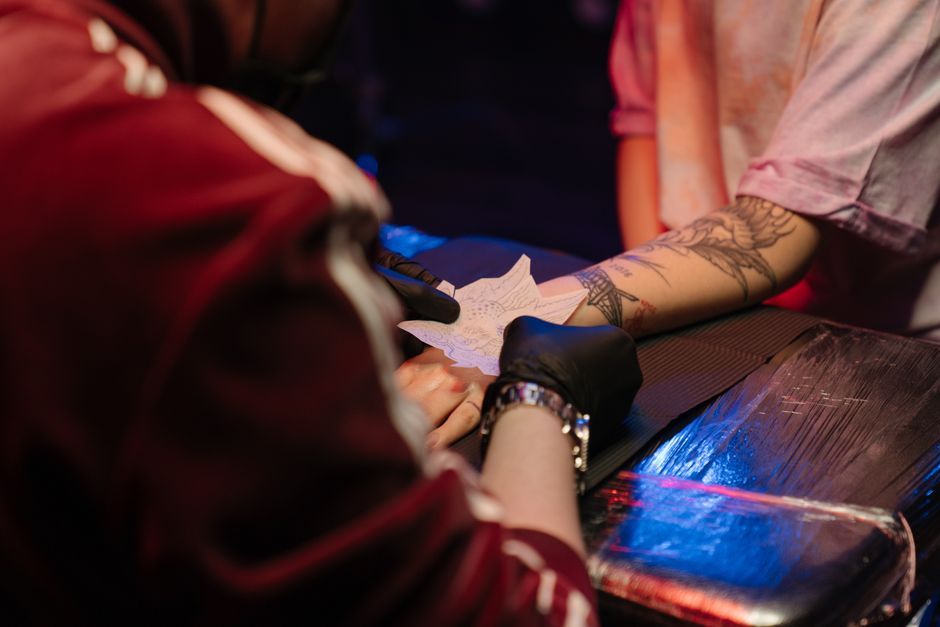
Ready to become a Tattoo Artist?
A free tattoo apprenticeship can work if it comes with real teaching, a clear plan and the steps your state requires. Without those, “free” can end up being the most expensive option. Whatever route you choose, judge it by what you’ll actually learn.
Ready to become a Tattoo Artist? Apply now to Ink Different’s Traditional Tattoo Apprenticeship and start building an AI-proof career with licensing support along the way.
Frequently Asked Questions
Are free tattoo apprenticeships real?
Yes, but they’re rare. Most involve a long stretch of unpaid tattoo studio work, and many don’t come with structured teaching, safety training or licensing support.
What does “free” usually mean in a tattoo apprenticeship?
Usually, it means no tuition. You pay instead with unpaid labor, like cleaning, setup, errands and front-desk work, often for months before you tattoo.
How do I find a free tattoo apprenticeship near me?
Visit reputable local tattoo studios, check your state or local health department for licensed establishments and attend tattoo conventions. Vet any offer carefully and get the terms in writing.
Does an informal tattoo apprenticeship count toward a license?
It depends on your state. Some, like Oklahoma, require an approved sponsor before hours count, so confirm your state’s rules before you start.
Do I need art experience to start a tattoo apprenticeship?
No. Ink Different’s Traditional Tattoo Apprenticeship is built for beginners and teaches fundamentals from day one.
What makes Ink Different different from a free tattoo apprenticeship?
Ink Different offers a four-phase structure, in-person mentorship, safety training, licensing support, interest-free payment plans and a guaranteed job offer at one of its own tattoo studios.
