
T-V4: Working With People From All Walks of Life
Among careers for veterans working with people, tattooing stands out because every session is built on trust: listening to a client’s story, earning their confidence, and turning their idea into something permanent. You’ll work with people from every background, and if you’ve served alongside people from all walks of life, that experience can carry straight into the chair.
This guide covers who you’ll actually work with, why people skills matter as much as drawing, how to connect with clients who are nothing like you, and how to build those skills step by step.
Key Takeaways
What does it mean to work with people from all walks of life?
It means giving every client the same care, skill, and respect, whatever their age, culture, or story, and no matter how different they are from you.
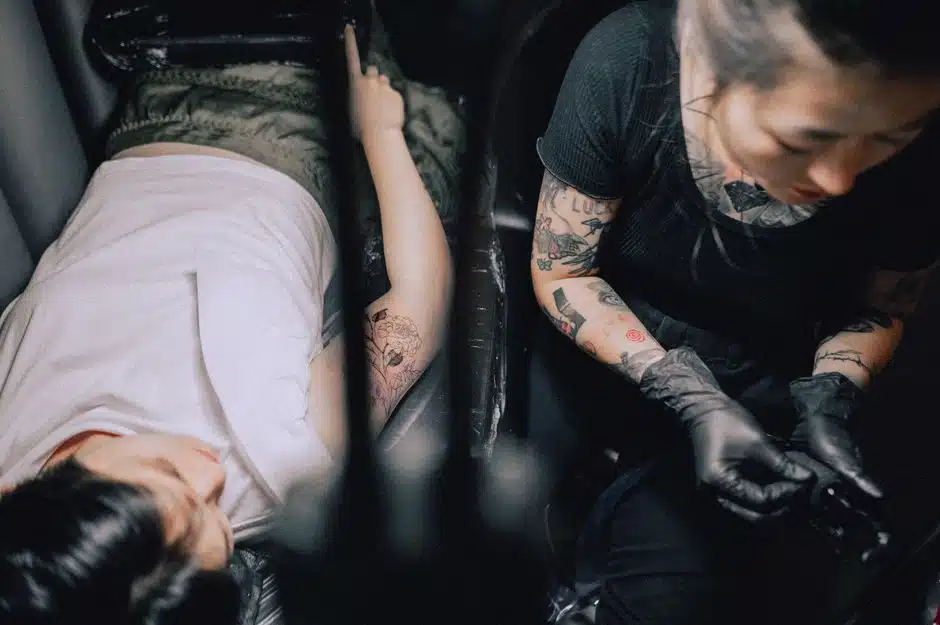
As a Tattoo Artist, you don’t choose one type of client. In a single day, you might work with a nervous first-timer, a longtime collector, and someone marking a milestone they’ve been thinking about for years. Each person brings their own reasons to your chair.
That’s part of what makes the work meaningful. You take someone’s idea, memory, or story and help turn it into something they’ll carry for life. That takes a steady hand, and it also takes real interest in people.
This page is for you if you’re leaving the military or already out, you want a hands-on career that’s built on working with people, and you’re weighing whether tattooing fits.
Why do people skills matter as much as drawing skills?
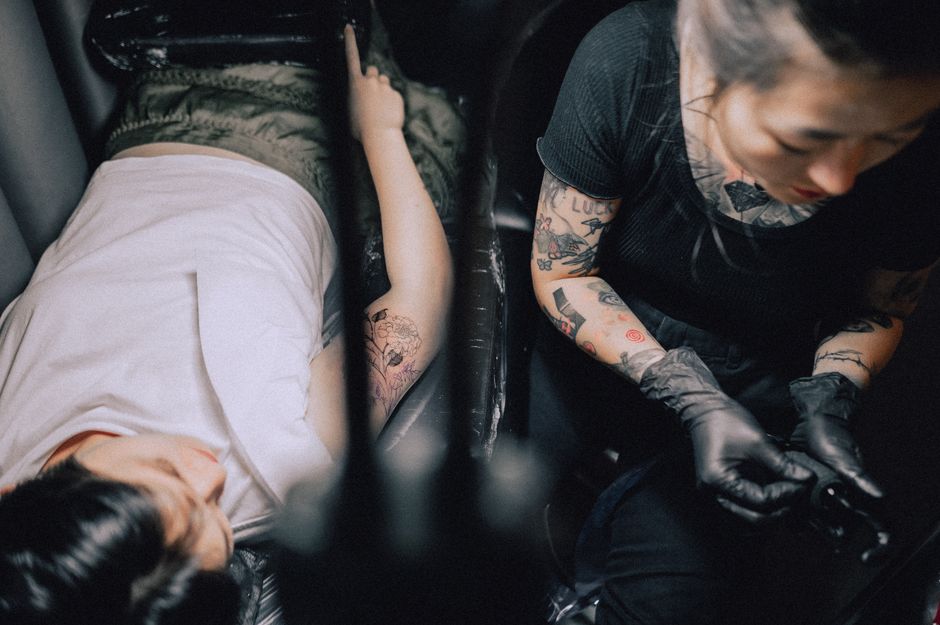
A tattoo is a collaboration. Clients come back to Tattoo Artists who make them feel heard, comfortable, and respected, and they send their friends.
You can have clean line work, but if a client feels rushed or unheard, they won’t return. Your reputation is built one conversation at a time, and over time, those relationships become your client base.
Remember: Clients don’t just pay for the tattoo. They remember how you made them feel while they got it.
Who actually sits in a tattoo artist’s chair?
Pretty much everyone. Tattoos cross every profession, age group, faith, and background, and so do the people who get them.
Some clients show up confident and chatty. Others are quiet or anxious, maybe getting a piece tied to a hard chapter in their life. Learning to read those different moods and adjust how you show up is a skill you’ll keep sharpening for years.
If you’ve worked alongside people from very different backgrounds, you already know how much listening and respect matter. That carries over directly.
How do you connect with clients who are nothing like you?
Listen more than you talk, ask good questions, respect the client’s comfort, and give their story your full attention.
Connection doesn’t mean pretending you share the same background. It means being genuinely curious. When you ask a client what a piece means to them, you often find the real design and earn real trust at the same time.
Communicating across languages and cultures is part of the job too. That’s one reason accessibility matters to us, and why Ink Different has Spanish-speaking locations, so more clients and tattoo apprentices feel at home.

How can you build people skills step by step?
People skills grow the same way drawing skills do: through practice, feedback, and real client work under a Mentor’s guidance. Here’s how to build them.
Step one: Listen first. Let the client explain their idea fully before you offer opinions. Their story usually points you to the design.
Step two: Read the room. Meet a nervous client with calm reassurance and a talkative one with warm engagement.
Step three: Explain the process. Walk clients through placement, what the session will feel like, and how healing works, so there are no surprises.
Step four: Set honest expectations. Be clear about what a design can realistically look like on their skin. Honesty builds long-term trust.
Step five: Follow up with aftercare. Give clear aftercare guidance so clients feel looked after even after they leave.
Step six: Keep learning. Every client teaches you something. Treat each session as a chance to get better.
See our roundup of platforms to help tattoo artists build their brand.
How does trust connect to safety and professionalism?
Clients are letting you mark their body permanently. Nobody relaxes in your chair unless they feel safe, so clean practices, clear consent, and professional conduct are the base of every client relationship.
Bloodborne pathogen safety is part of that. Following practices based on OSHA’s Bloodborne Pathogens standard protects you and your client, and it shows you take their wellbeing seriously. Professionalism is how respect becomes visible.
How does Ink Different train you to work with everyone?
Ink Different’s Traditional Tattoo Apprenticeship trains you in both the art and the client side of tattooing, through hands-on mentorship with real clients. It takes 18 to 24 months across four phases, with licensing support and a guaranteed job offer when you finish.
We’ve been training new Tattoo Artists since 2011, and the Traditional Tattoo Apprenticeship is available at 60+ tattoo studios nationwide. No prior art experience is required.
- Phase one, Art and Design Principles: Drawing, design, and building your first portfolio.
- Phase two, Machine Mastery and Practice Tattooing: Technique and machine practice at your own pace.
- Phase three, Supervised Tattoos: Tattooing real clients under a lead Trainer, who evaluates your skills, including communication and professionalism.
- Phase four, Junior Artist Externship: Working with your own clients and building relationships while you start earning an income.
To be straight about what we can’t promise: how fast you move through each phase depends on your practice and progress, and licensing timelines depend on your state.
It’s also work that automation can’t replace, because it’s built on human trust and connection. That’s why tattoo artists are still essential.
Our culture: We call it “Good Humans.” You’ll train inside a supportive community of Mentors and fellow tattoo apprentices who treat you like you belong.
What is the Master Mentorship program?
The Master Mentorship is Ink Different’s one-year, in-person intensive for experienced Tattoo Artists who want to master a style, grow their brand, and build toward owning a tattoo studio.
You train directly with celebrity and award-winning Master Mentors, including Al Fliction, Liz Cook, Kyle Dunbar, Boneface, and Jordi Pla. Most people start with the Traditional Tattoo Apprenticeship, and the Master Mentorship is where you can go once you’re working.
Ready to work with people from all walks of life?
If you’re looking for a career where working with people is the whole point, tattooing is worth a serious look. You’ll build trust with every client and a skill that’s yours for life.
Training is available at 60+ tattoo studios nationwide, and we have Spanish-speaking locations in Denver, Orange County, NYC, Miami, San Antonio, and San Diego.
Ready to become a Tattoo Artist? Apply Now to Ink Different’s Traditional Tattoo Apprenticeship. Not sure yet? Fill out our quick questionnaire for personalized support.
Frequently Asked Questions
What are good careers for veterans working with people?
Look for careers where trust and communication matter every day. Tattooing is one of them: every session means listening to a client, earning their confidence, and delivering work they’ll keep for life.
Is tattooing one of the people-facing careers for veterans?
Yes. Tattooing is people-facing at its core. You’ll work one-on-one with clients from every background, from the consultation through aftercare.
Do I need people skills before starting a tattoo apprenticeship?
No. You need a willingness to connect. The Traditional Tattoo Apprenticeship builds your client skills alongside your art skills, including during supervised work with real clients.
How long is the Traditional Tattoo Apprenticeship?
It takes 18 to 24 months across four phases, with hands-on training under Mentors in working tattoo studios.
Can I train if I don’t speak English fluently?
Yes. Ink Different has Spanish-speaking locations in Denver, Orange County, NYC, Miami, San Antonio, and San Diego.
