
Tattoo Shop Tango: BillyJack Gunter on Thursday Night Critiques and Building a Team That Can Take Feedback
Key Takeaways
What is a Thursday night critique?
At BillyJack’s tattoo shops, a Thursday night critique is a regular session where Tattoo Artists put work on a board and review it together.
The goal, he says, is to help each other grow. It’s not about talking behind someone’s back or saying you didn’t like something. It’s open, honest feedback, given in a way that helps.
He compares it to teaching a student. “I wouldn’t ridicule you because you did something horrible,” he says. “I would fix it and I would show you how to fix it.”
Why does feedback make or break a tattoo artist?
BillyJack believes feedback is how Tattoo Artists keep growing, no matter how long they’ve been tattooing.
He considers himself a mentor and coach first, and he believes anyone can learn and grow, even 20 years into their career. “Twenty years the wrong direction is still 20 years the wrong direction,” he says.
He also says a team that can’t take critiques won’t work unless the owner is there. Feedback is what lets a tattoo shop run well, even when he’s not in the room.
How does BillyJack Gunter run a critique?
BillyJack keeps it simple: put the work on the board and help each other get better.
He also believes in letting Tattoo Artists see their own work clearly. When you look at a tattoo on a screen in front of others, you often don’t need someone else to critique it. “They’ll do it themselves,” he says.
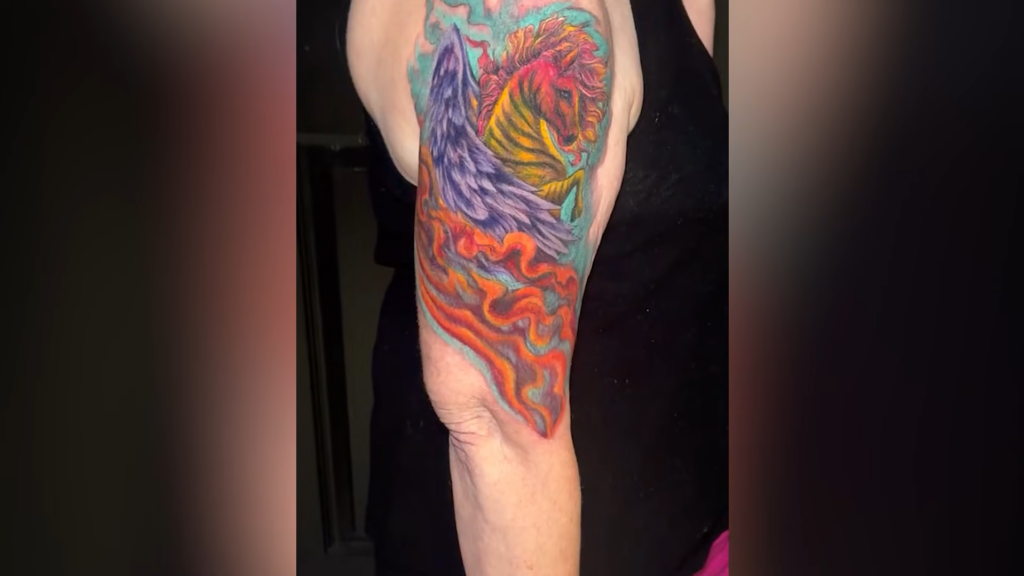
That’s exactly what happened at his color seminar. He expected his tattoo to be torn apart. Instead, the instructor asked what he could have done differently, and BillyJack tore it apart himself. “It helped me have a thicker skin,” he says. There were 40 skilled Tattoo Artists in the room, and he might have been tempted to say he killed it. The approach pushed him past his ego.
Pro Tip: Asking a Tattoo Artist what they’d do differently can be more powerful than telling them what went wrong.
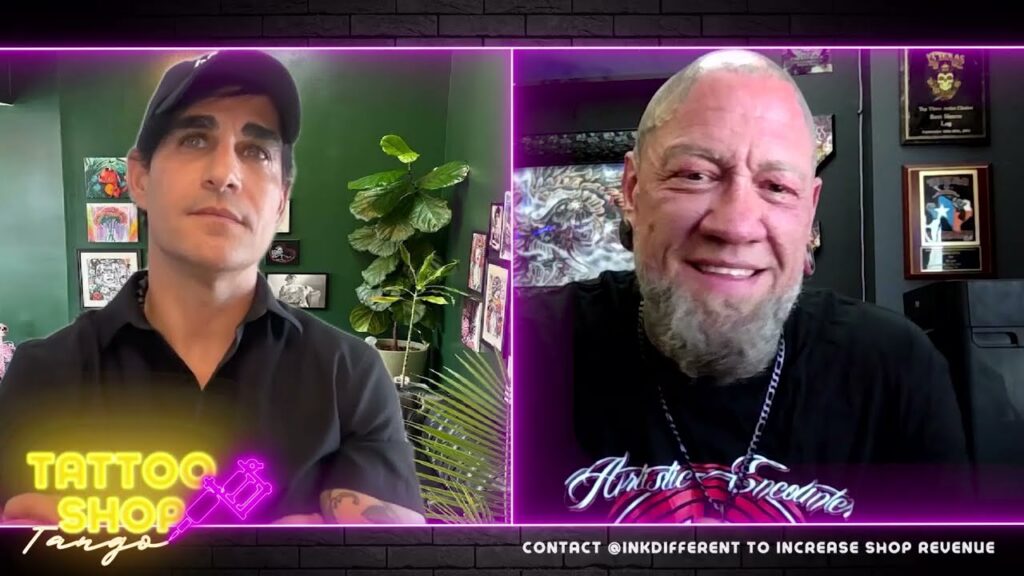
How do you build a team that can take feedback?
BillyJack says it comes down to a few things.
Make it like family
“Those artists have to be like family,” he says. “You can’t have turmoil.”
Be willing to make the hard call
BillyJack’s rule is firm: “If you rock the boat, you got to go.” If one person is spoiling the well for an otherwise great team, they have to leave. He’s had to let some of his favorite people go.
He says many shop owners get attached to one person and make excuses, like that they’re the big earner or that they’ve been there a long time. But if they keep rocking the boat, he says, the whole boat will eventually leave.
Teach everyone yourself
BillyJack has taught nearly every Tattoo Artist who’s worked for him. Some of his apprentices have been with him for 15 years, and he calls them the most loyal people on earth. He doesn’t haze them himself.
Learn from others, too
Years ago, BillyJack and Chico Cortez traded apprentices for a month. Chico sent David from Miami, and BillyJack sent Zack, whom he called “Pigpen.” Each apprentice learned new styles and new ways of running a tattoo shop. Zack came back with a Cheyenne machine, which BillyJack had never seen. “You’re going to learn more from your youngsters, too,” he says, “if they’re loyal to you.”
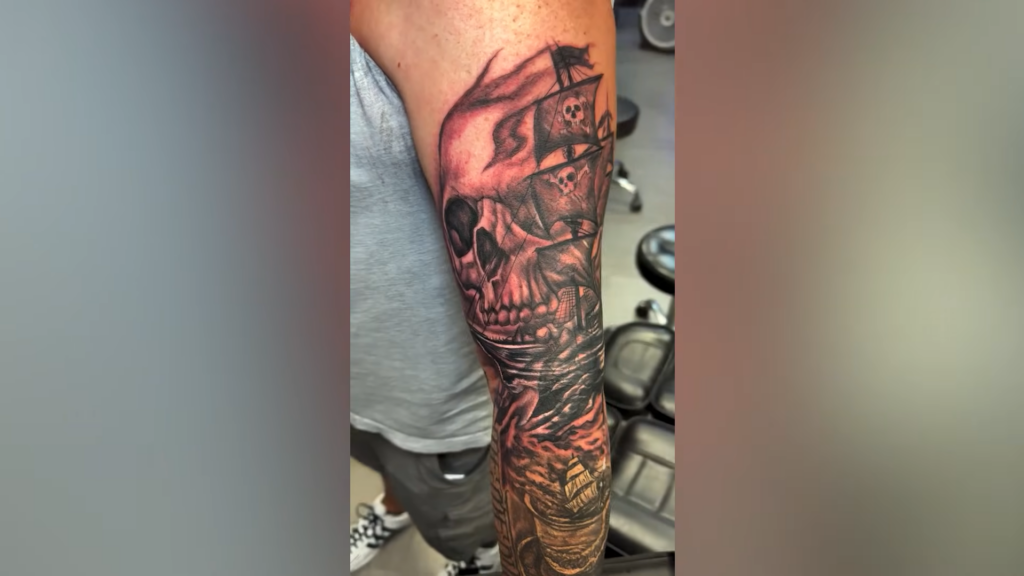
How can you run your own Thursday night critique?
Here’s how BillyJack’s approach can work in any tattoo shop:
Step 1: Make it a regular night. BillyJack uses Thursdays.
Step 2: Put the work on a board. Review it openly as a team.
Step 3: Keep it out in the open. No talking behind anyone’s back.
Step 4: Teach instead of ridicule. Show how to fix the problem.
Step 5: Let Tattoo Artists critique themselves. Ask what they’d do differently.
Step 6: Protect the culture. If someone keeps rocking the boat, make the hard call.
Chico has seen this approach work at conventions, too. At a show in Oklahoma, he and BillyJack brought their crews together under a “no egos, just art” approach and critiqued each other’s work. Among about 10 Tattoo Artists, they won around 40 trophies.
Why is feedback the heartbeat of a great tattoo shop?
For BillyJack, a great tattoo shop is a team that loves each other and helps each other grow.
He runs a crew of about 30 people. BillyJack says owning a tattoo shop isn’t about money, since he’d make 10 times more in a private tattoo studio. He does it because he loves the people and the human encounters.
He also learned from his own mentors. The late Boog Brown, a legendary script artist, had one rule for working with him: you could only use a red and a blue Sharpie to draw on the body. No thermal fax, no computer. BillyJack still freehands much of his background work today.
Even experienced shop owners need support. BillyJack says sometimes it takes a late-night call to another shop owner to keep you from giving up, especially when Tattoo Artists leave. In those moments, he says, you just have to show up and keep working.
Safety is part of every strong tattoo shop culture, too, including the OSHA bloodborne pathogens standard. Tattooing is a human craft, which is why Tattoo Artists are still essential.
How does Ink Different build feedback into your training?
Ink Different builds feedback into every phase, with experienced Mentors reviewing your work as you learn. Ink Different has trained Tattoo Artists for 15 years.
What You Can Expect from Our Traditional Tattoo Apprenticeship
Ink Different’s Traditional Tattoo Apprenticeship takes 18 to 24 months across four phases. No prior experience is required.
- Phase One: Art and design, online.
- Phase Two: Machine practice on synthetic skin, online.
- Phase Three: Supervised tattoos on real clients in a tattoo studio.
- Phase Four: Building independence and preparing for licensing.
A Career That Comes With Confidence
This is a career that comes with confidence. You’ll finish with job-ready skills, licensing support, and a guaranteed job offer at one of Ink Different’s own tattoo studios. The Traditional Tattoo Apprenticeship is available at 60+ tattoo studios nationwide.
Making Tattoo Training Accessible for Everyone
Ink Different offers Spanish-speaking locations in Denver, Orange County, NYC, Miami, San Antonio, and San Diego. Its “Good Humans” culture means you join a supportive community from day one.
Ready to Become a Tattoo Artist?
BillyJack Gunter’s teams grow because feedback is part of the culture: work on the board, honest conversations, and a willingness to make hard calls. As he puts it, “Just get a team that love each other.”
Seats are limited, with only two apprentices per tattoo studio per Mentor.
For aspiring Tattoo Artists: Apply now to Ink Different’s Traditional Tattoo Apprenticeship and start building an AI-proof career with licensing support and a guaranteed job offer at one of Ink Different’s own tattoo studios.
For Tattoo Artists and shop owners who want to mentor: Learn how to become an Ink Different Mentor at inkdifferenttattoos.com/affiliate.
And for aspiring shop owners: Explore Ink Different’s shop owner training to build the systems, team, and culture your tattoo shop needs.
Follow BillyJack on Instagram at @billyjack77 or visit aetattoo.com.
Frequently Asked Questions
What is a Thursday night critique?
At BillyJack Gunter’s tattoo shops, it’s a regular session where Tattoo Artists put work on a board and help each other grow through open, honest feedback.
How does BillyJack handle feedback?
He teaches instead of ridiculing. He shows how to fix a mistake and often lets Tattoo Artists critique their own work.
What does BillyJack do when someone disrupts the team?
He lets them go. “If you rock the boat, you got to go,” he says.
Do I need art experience to start?
No. The Traditional Tattoo Apprenticeship is built for beginners.
How long does the Traditional Tattoo Apprenticeship take?
Ink Different’s Traditional Tattoo Apprenticeship takes 18 to 24 months across four phases, with licensing support and a guaranteed job offer at one of Ink Different’s own tattoo studios.
