

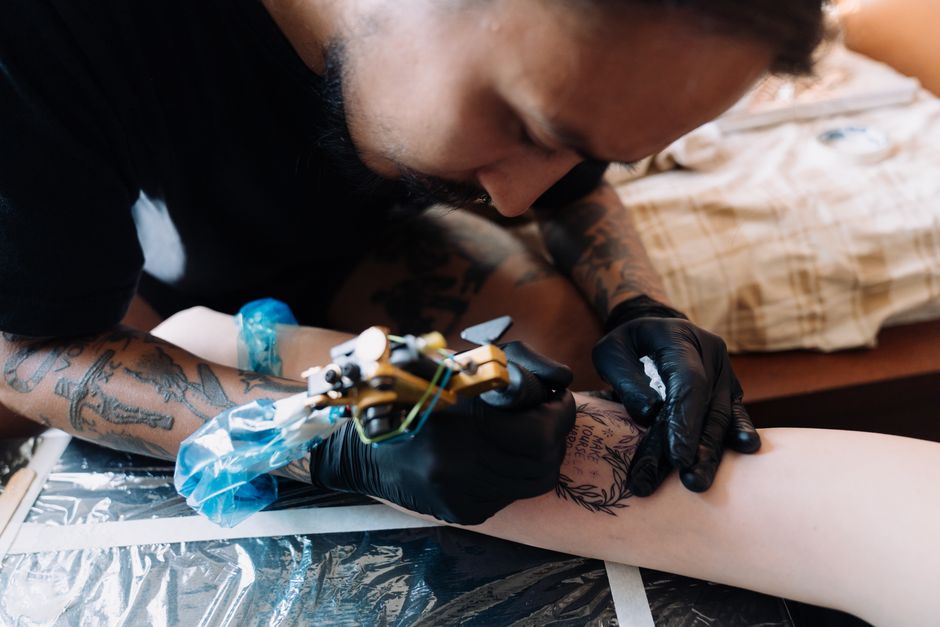
A Future Full of Ink: Your 2027 Roadmap to Becoming a Tattoo Artist
Wanting to become a Tattoo Artist is the easy part. Knowing what to do first, and in what order, is where most people get stuck.
A roadmap to becoming a Tattoo Artist is a step-by-step plan. It takes you from your first sketches to supervised tattoos, a state tattoo license, and paid work in a tattoo studio.
At Ink Different Tattoos, we’ve trained beginners for 15 years. Here’s the roadmap we see work, and how to make 2027 the year you move through it.
Key Takeaways
What is a roadmap to becoming a tattoo artist?
A tattoo career roadmap is a set of training phases in a fixed order. You move from drawing fundamentals to tattooing real clients under a licensed Mentor, then on to licensing and professional work.
The order is deliberate. You learn to draw before you pick up a machine. You practice on synthetic skin before you tattoo a person. Each phase gives you the skills the next one depends on.
Skipping ahead usually leads to shaky lines, weak fundamentals, and work that doesn’t hold up when clients expect consistency. Following the phases in order builds skills that last.

Why should you start your journey this year?
Starting before the year ends means 2027 becomes a full year of training instead of a year of planning. With an 18-to-24-month timeline, those extra weeks count.
Tattooing is also one of the few creative careers that AI can’t take over. It depends on steady hands, live judgment, and trust between you and the person in your chair. The U.S. Bureau of Labor Statistics projects about 4,400 openings each year for craft and fine art jobs.
The hardest step is usually the first one. “Next year” has a way of turning into the year after. If fear is what’s holding you back, it helps to face the biggest fears about becoming a Tattoo Artist head-on.
What skills do you need to become a Tattoo Artist?
To become a professional Tattoo Artist, you need drawing fundamentals, steady machine control, an understanding of skin and healing, strict hygiene, and good client communication.
None of these are talents you have to be born with. They’re learned, one layer at a time:
- Drawing fundamentals: Line work, shading, composition, and proportion. Daily sketching builds the hand control you’ll need later.
- Machine handling: Depth control, consistent speed, and a steady hand, so your lines are clean and your work heals well.
- Hygiene and safety: Preventing cross-contamination and following the OSHA Bloodborne Pathogens standard to keep every client safe.
- Skin knowledge: How skin heals, which designs suit different body areas, and how to guide clients through aftercare.
- Client communication: Listening, consulting, and helping people feel at ease so they trust your ideas and come back.
- Business sense: Booking, pricing, and using the right platforms to build your brand so your schedule fills up.
It also helps to understand what a tattoo apprentice actually does day to day, so you can see how these skills build over time.
How do you become a Tattoo Artist in 2027? (Step by step)
You become a Tattoo Artist by drawing daily, joining a structured tattoo apprenticeship, mastering the machine, completing supervised tattoos, and earning your state license.
Here’s the roadmap, step by step:
- Draw every day: Build the habit now. You don’t need to be an expert yet. Consistency does more for you early on than talent.
- Commit to a structured tattoo apprenticeship: A Mentor-led path stops bad habits early and gives you real feedback fast.
- Build your art foundation: Phase One covers art and design principles, from drawing to your first portfolio. Megan Hostetler, a mom of three, finished Phase One in a couple of months.
- Master the machine on synthetic skin: Phase Two focuses on machine mastery and practice tattooing. Joe Kendall found that Phase Two taught him line work, depth, and patience.
- Complete supervised tattoos: In Phase Three, you tattoo real clients in a tattoo studio under your Mentor’s eye. Apprentice Ana Cabrera completed her first supervised tattoos in this phase.
- Get licensed and start earning: Phase Four is a Junior Artist Externship where you start earning an income. Along the way, you’ll complete your state’s requirements, including bloodborne pathogens certification.
Pro Tip: The biggest beginner mistake is rushing to skin before the fundamentals are solid. Take your time with the early steps. Your future clients will see the difference.
How does tattoo licensing work?
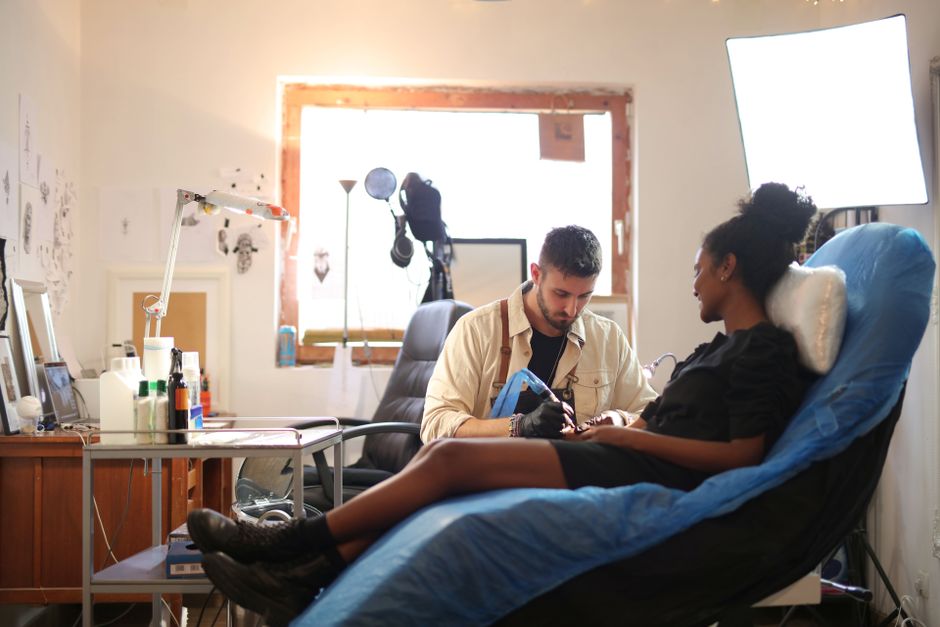
Tattoo licensing works at the state level. Each state sets its own rules for training hours, bloodborne pathogen courses, fees, and exams.
The differences can be big. Oregon requires 360 hours of training, 50 completed tattoos, and a written exam through its Health Licensing Office. Florida has no training-hour minimum. Instead, it requires an approved bloodborne pathogens and communicable diseases course with a passing score of at least 70%.
Neighboring states can also differ quite a bit, as you can see in how Georgia and Florida handle licensing.
A quality tattoo apprenticeship doesn’t leave you to figure this out alone. Licensing support helps you understand your state’s specific rules and get your paperwork right the first time.
How does Ink Different guide your journey?
Ink Different Tattoos guides your journey through the Traditional Tattoo Apprenticeship. It’s an 18-to-24-month, four-phase path that ends with hands-on work in professional tattoo studios.
It’s built as a college alternative for people who want a trade without student debt or lecture halls. You get personalized, hands-on training from Mentors who tattoo for a living. The four phases take you from your first pencil stroke to paid client work.
You get live, in-person mentorship from award-winning Tattoo Artists and a “Good Humans” culture where you’re never just a number. No experience is required. If you’re planning a career change, what you need most is a willingness to learn.
A career built on confidence: The Traditional Tattoo Apprenticeship gives you job-ready skills, state licensing support, and a guaranteed job offer at one of Ink Different’s own tattoo studios. Interest-free payment plans are also available.
What is the Master Mentorship?
The Master Mentorship is a one-year, in-person training path with award-winning Master Mentors. It’s for beginners and experienced Tattoo Artists who want to master a style, build their brand, and work toward tattoo studio ownership.
You train closely with experienced names in the industry, with a focus on intensive skill development, career growth, and business strategy. Master Mentors include Liz Cook, who runs multiple tattoo shops, and Boneface, who has spent 20 years as a Tattoo Artist.
November Special: A Thank-You Bonus for Starting Your Roadmap Early
November is the season of gratitude, and Ink Different is marking it with a bonus for new apprentices. When you sign up for the Traditional Tattoo Apprenticeship this month, you’ll receive a free 12-Bottle Traditional Color Set after completing Phase Two.
The Industry Inks set covers the bold colors traditional tattoos are known for. It arrives as you head into supervised tattoos, right when you can start using it.
You’ll also get a chance to win a one-on-one video session with a Master Mentor. That’s time with one of the most respected Tattoo Artists in the industry, early in your training.
If you’ve been on the fence, starting this month gets you moving on your roadmap with a little extra support.
How does Ink Different make training accessible?
Ink Different offers Spanish-speaking training in Denver, Orange County, NYC, Miami, San Antonio, and San Diego. Language doesn’t have to be a barrier to your career.
Whether you learn best in English or Spanish, you get the same hands-on mentorship, community, and path to professional work. The Traditional Tattoo Apprenticeship is available at 60+ tattoo studios nationwide.
Spots are limited because each Mentor takes on two tattoo apprentices per tattoo studio. That keeps the training personal and gives every apprentice real attention.
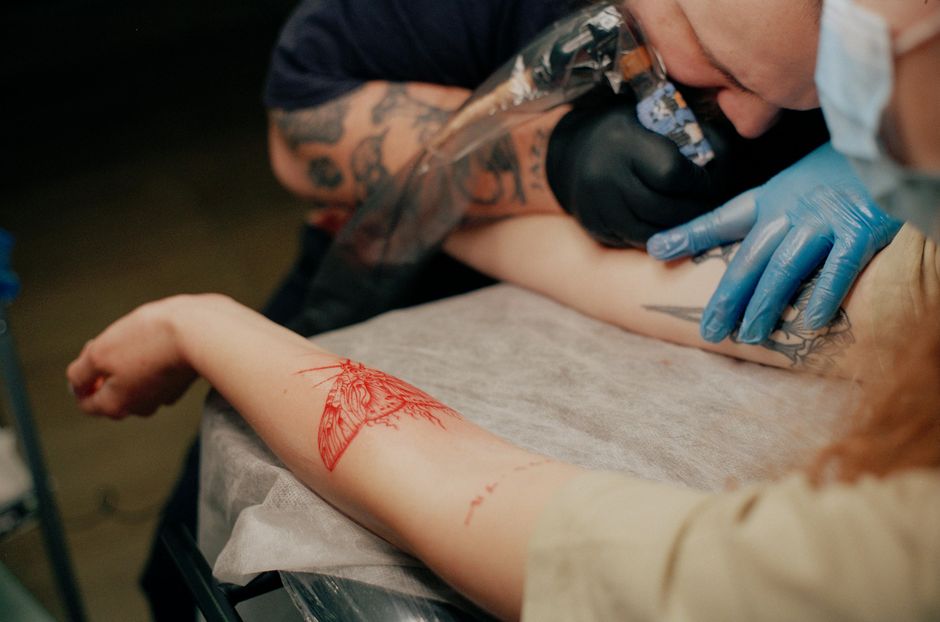
Live, in-person mentorship is the difference between guessing and knowing.
Ready to become a Tattoo Artist?
You now have the roadmap: the skills, the phases, and how licensing fits in. The next step is starting the first one.
Begin now, and 2027 becomes the year you move through the phases instead of the year you plan to start.
When you’re ready, apply to Ink Different’s Traditional Tattoo Apprenticeship and start building a real career with state licensing support along the way.
Frequently Asked Questions
How long does it take to become a Tattoo Artist?
Most structured tattoo apprenticeships take 18 to 24 months from beginner to job-ready professional. Your timeline depends on how quickly you master each phase.
Do I need art experience to start a tattoo apprenticeship?
No. Ink Different’s Traditional Tattoo Apprenticeship welcomes beginners and teaches drawing fundamentals from day one.
When is the best time to start my tattoo career?
Now is a strong time. Starting before the year ends makes 2027 a full year of training. Starting this November also gets you a free ink set after Phase Two and a chance to win a one-on-one video session with a Master Mentor.
What makes Ink Different different from other tattoo programs?
Ink Different offers live Mentor training, a four-phase structure, 15 years of experience, and state licensing support. Graduates receive a guaranteed job offer at one of Ink Different’s own tattoo studios.
Is there community support for apprentices?
Yes. Ink Different’s “Good Humans” culture means Mentors and fellow apprentices support your growth throughout your training.
Do I get help with my state tattoo license?
Yes. State licensing support is built into the Traditional Tattoo Apprenticeship. Your Mentors help you work through your state’s specific requirements so you’re ready to apply.
